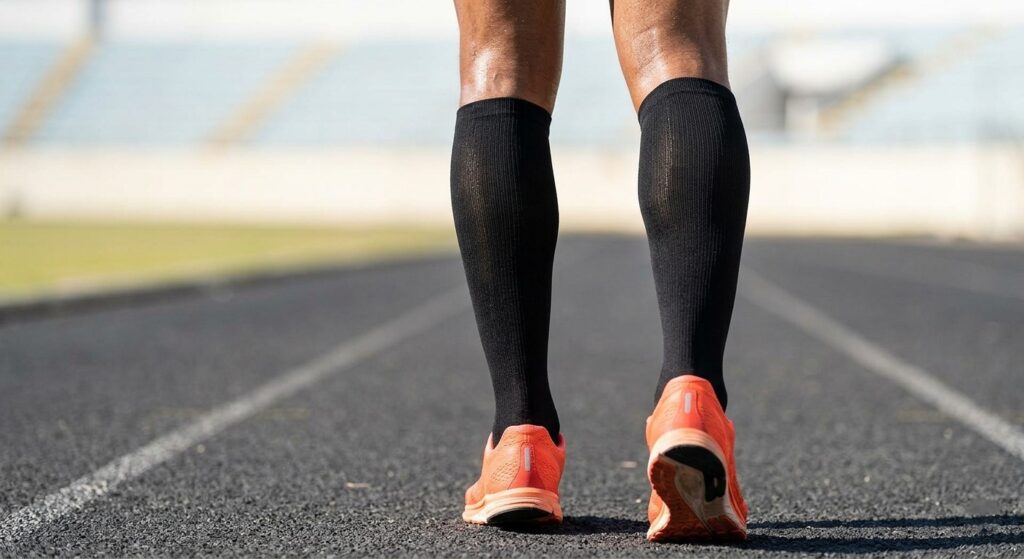
Athletes use compression gear to boost performance and slash recovery time. If you want to train harder and feel less sore tomorrow, the right gear makes a massive difference.
Does compression gear work? Yes. It improves blood flow and stabilizes muscles during movement. This guide covers the top-rated compression gear for every sport, helping you buy exactly what you need to stay in the game.
What Is Compression Gear?
What is compression gear? It is tight-fitting clothing made from stretchy fabrics like spandex and nylon. Athletes wear these garments to apply specific pressure to different parts of the body. What is compression gear used for? Most people use it to support muscles during workouts or to speed up healing after a tough session.
How Does Compression Gear Work?
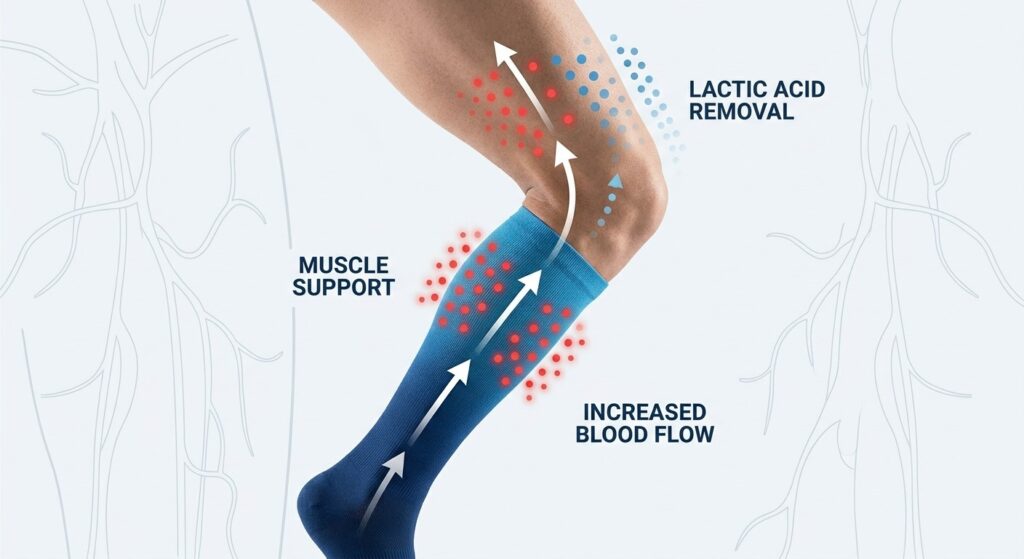
How does compression gear work? It uses graduated pressure to squeeze your limbs. This squeeze helps your veins push blood back toward your heart faster. Better blood flow means more oxygen reaches your muscles. It also prevents blood from pooling in your feet, which keeps you feeling light and energetic.
Compression Gear Benefits
Many athletes ask, “Does compression gear really work?” Science says yes, specifically for these benefits:
- Faster recovery: It clears lactic acid from your muscles quickly.
- Reduced soreness: You feel less “heavy” the day after a workout.
- Better circulation: Increased oxygen flow keeps muscles warm and active.
- Injury support: It reduces muscle oscillation (vibration), which prevents micro-tears.
The Reality: Does compression gear help recovery? Absolutely. However, it won’t give you “superpowers” or make you run 10% faster instantly. It is a tool for consistency and comfort.
Best Compression Gear for Athletes
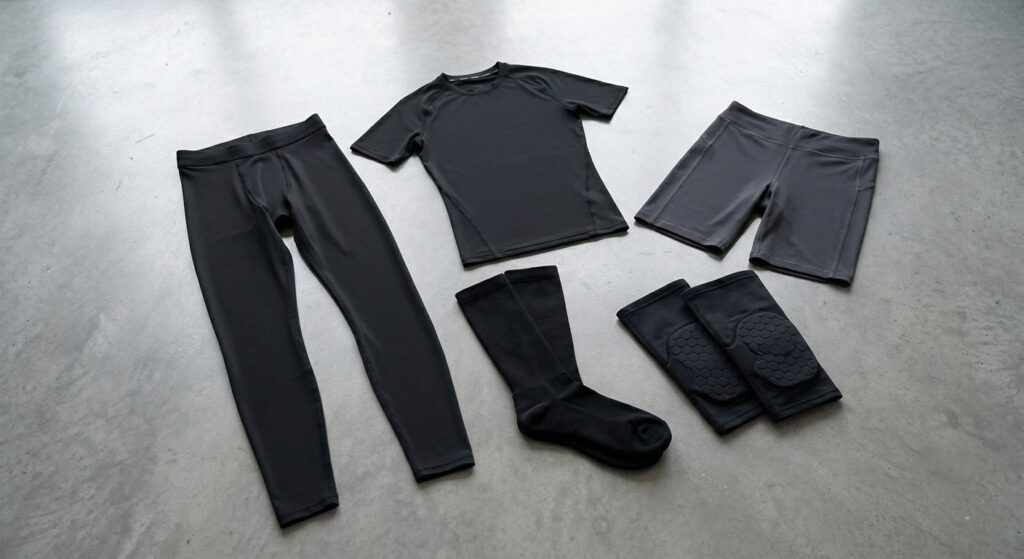
Physix Gear Compression Socks
These are the gold standard for durability and pressure. Physix gear sport compression socks stay tight even after dozens of washes.
- Quick Summary: Best for runners, hikers, and anyone standing all day.
- Key Specs: 20-30 mmHg compression level, Lycra/Nylon blend.
- Pros: Easy to put on; stays in place; great arch support.
- Cons: Can feel too hot in peak summer heat.
- Best Use Case: Long-distance running and post-workout recovery.
Under Armour HeatGear Leggings
A top choice for mens compression gear. These leggings provide a second-skin fit that keeps muscles locked in.
- Quick Summary: Best for high-intensity training and gym sessions.
- Key Specs: 4-way stretch fabric, moisture-wicking.
- Pros: Excellent mobility; keeps you dry; very durable.
- Cons: Waistband can roll down during deep squats.
- Best Use Case: Weightlifting and cross-training.
2XU Women’s Core Compression Tights
Highly-rated compression gear for women that focuses on the quads and hamstrings.
- Quick Summary: Premium pick for serious female athletes.
- Key Specs: PWX highly powerful fabric, UPF50+ sun protection.
- Pros: Superior muscle stabilization; flattering fit.
- Cons: Higher price point than competitors.
- Best Use Case: Marathon training and high-impact sports.
Nike Pro Compression Shirt
Simple, effective, and stylish. It is a staple in basketball compression gear.
- Quick Summary: Best for upper body support and sweat management.
- Key Specs: Dri-FIT technology, tight fit.
- Pros: Very breathable; fits well under jerseys.
- Cons: Sizing runs small; order one size up.
- Best Use Case: Basketball, football, and base layer for outdoor sports.
Superhero Compression Gear (Long-Sleeve)
These shirts feature designs from your favorite heroes. They are surprisingly functional, not just for show.
- Quick Summary: Best for motivation and fun during training.
- Key Specs: Breathable polyester blend, reinforced seams.
- Pros: High-quality prints; great “cool factor.”
- Cons: Lower compression level than professional brands.
- Best Use Case: Casual gym-goers and themed races.
Best Compression Gear by Category
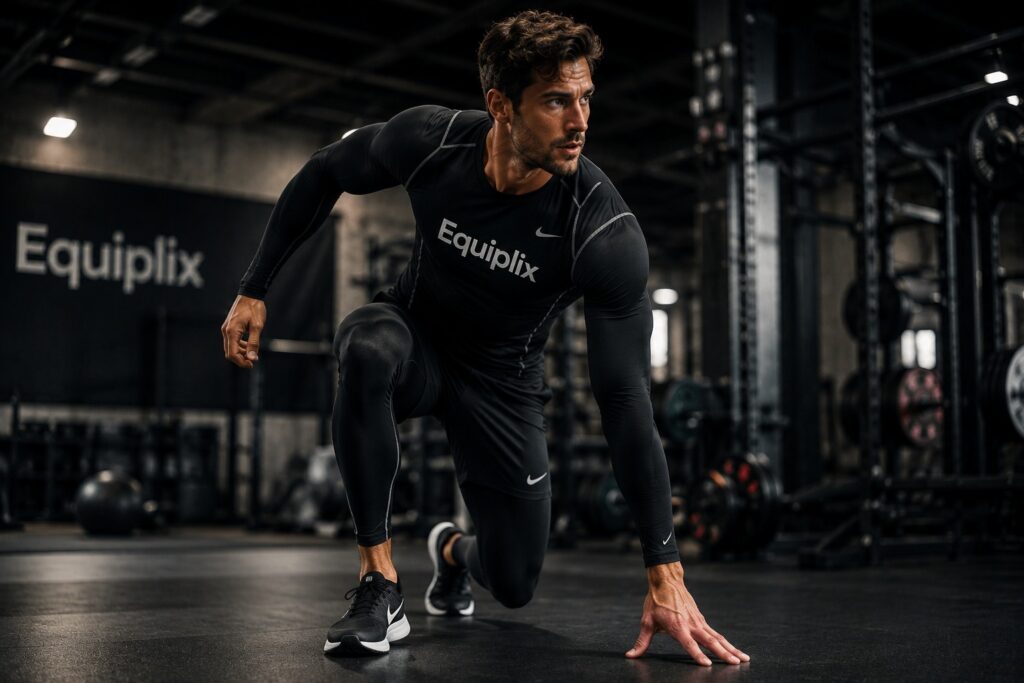
Best Compression Gear for Basketball
Basketball players need hip and knee protection. Look for padded compression gear that handles impact. Tights or 3/4 sleeves help keep legs warm during bench time.
Best Compression Gear for Soccer Players
How to choose compression gear for soccer players? Focus on the calves and thighs. Calf sleeves allow you to wear your team socks over them while still getting the blood flow benefits.
Best Womens Compression Gear
The best compression gear for women prioritizes a high waistband and non-see-through fabric. Look for brands like 2XU or Under Armour for the best balance of style and pressure.
Best Mens Compression Gear
The best compression gear for men usually includes versatile leggings or “base layer” shorts. Look for reinforced pouches for comfort during explosive movements.
Physix Gear Compression Socks Review
Physix gear compression socks are popular because they offer professional-grade pressure at a budget price. They use a double-stitched fabric that doesn’t lose its “snap.”
- Performance: They excel at reducing swelling during long flights or after 10-mile runs.
- Who should buy: Buy these if you want the “best value” sock that lasts for years.
How to Choose Compression Gear
- Fit: It must be tight but not painful. If your skin turns blue or feels numb, go up a size.
- Material: Choose moisture-wicking blends (Nylon/Spandex) to avoid chafing.
- Compression Level: 15-20 mmHg is great for daily use. 20-30 mmHg is better for recovery and medical needs.
Does Compression Gear Keep You Warm?
Does compression gear keep you warm? Yes, to an extent. By trapping a thin layer of air against your skin and increasing blood flow, it helps regulate body temperature. It is an excellent base layer for winter sports, but it won’t replace a heavy jacket in freezing weather.
Final Choice
Is compression gear worth it? If you train more than three times a week, yes. It helps you bounce back faster and protects your muscles.
- Buy if: You want less muscle soreness and better circulation.
- Skip if: You only do light walking or prefer loose-fitting clothing.
Frequently Asked Questions
It is specialized, tight-fitting apparel designed to apply pressure to the body. It helps with circulation and muscle stability during and after exercise.
It squeezes your tissues to increase blood flow and reduce muscle vibration. This prevents fatigue and speeds up the removal of waste products from your muscles.
Yes, it is effective for recovery, reducing swelling, and improving “proprioception” (your awareness of your body’s movement).
It uses graduated pressure to move blood more efficiently through your veins. This increases oxygen delivery to active muscle groups.
You should wear it to prevent cramps, reduce soreness, and support your joints during high-impact movements.
Yes. Wearing it for 2–4 hours after a workout helps muscles repair faster and reduces the feeling of stiffness.
Athletes use it for performance support, injury prevention, and faster post-exercise recovery.
Yes, it keeps muscles warm during breaks and provides skin protection against floor burns and contact.
More Questions:
Calf sleeves and compression shorts are best. They support the most active muscle groups without interfering with cleats or shin guards.
High-waisted compression tights are usually the best choice for support, comfort, and coverage.
Full-length leggings or 9″ compression shorts provide the best overall muscle support for most sports.
Yes, they are widely considered the best value for athletes because of their durability and consistent pressure levels.
It should feel like a firm “hug” on your muscles. It should never pinch, cause numbness, or restrict your range of motion.