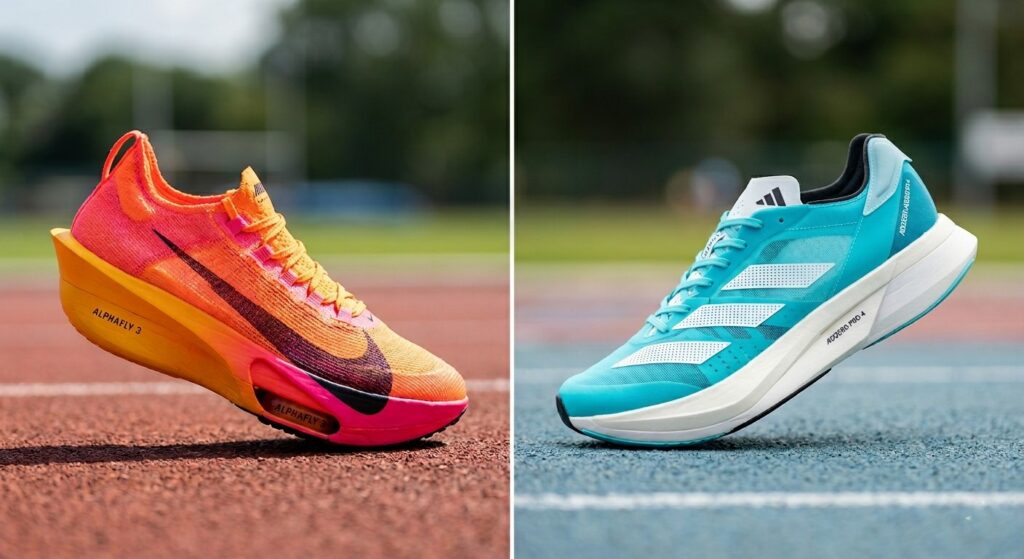
Choosing between Nike vs Adidas running shoes used to be a matter of style. In 2026, it is a matter of biomechanics and performance goals. Nike continues to push the limits of energy return with aerospace-grade foams, while Adidas has pivoted to dominant durability and “super-foams” that actually last longer than a single race.
If you are hunting for the best running shoes 2026 has to offer, you aren’t just buying a brand; you are buying a specific type of ride. Nike dominates the podiums for elite speed, but Adidas has captured the hearts of daily grinders and marathoners looking for comfort that doesn’t “die” after 100 miles.
- Quick Verdict:
- Nike Running Shoes Overview: Engineered for Speed
- Adidas Running Shoes Overview: Built to Last
- Cushioning & Comfort Comparison
- Speed & Performance: Who Wins the Race?
- Durability & Build Quality
- Fit & Foot Shape
- Best Use Cases
- Nike vs Adidas 2026 Comparison Table
- Final Verdict: Which Should You Buy?
- Frequently Asked Questions
This Nike running shoes review 2026 and Adidas running shoes review 2026 comparison cuts through the marketing hype. We analyze cushioning, speed, and build quality to help you decide which brand deserves your investment today.
Quick Verdict:
Don’t overthink it. Your choice depends on your foot shape and your primary goal:
- Nike is for Speed & Precision: Choose Nike if you have narrow feet, prioritize “bouncy” energy return, and want the absolute fastest tech for race day.
- Adidas is for Comfort & Longevity: Choose Adidas if you need a wider toe box, prefer a softer “plush” feel, and want a shoe that survives 500+ miles of daily training.
Decision Rule:
- Choose Nike if you are chasing a PR and don’t mind a snug, narrow fit.
- Choose Adidas if you want the best value-per-mile and a stable, comfortable ride.
Nike Running Shoes Overview: Engineered for Speed
Nike remains the king of innovation. Their focus for 2026 is maximum energy return. By utilizing ZoomX foam (the lightest and most responsive in their lineup) and Air Zoom units, Nike shoes feel like they are “launching” you forward rather than just absorbing impact.
Key Technology
- ZoomX Foam: Originally used in aerospace, this foam provides up to 85% energy return.
- Carbon Fiber FlyPlate: A stiff plate that acts like a springboard in their elite models.
- ReactX: Their more durable, eco-friendly foam found in the Pegasus 42.
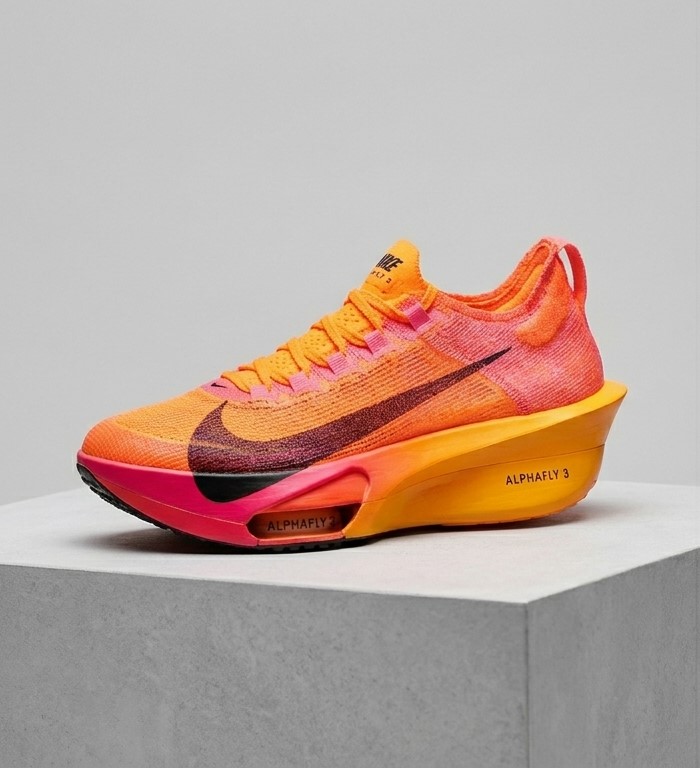
Top 2026 Models
- Vaporfly 4 / Alphafly 3: The “Super Shoes.” Best for marathons and setting personal records.
- Pegasus 42: The classic daily trainer. Versatile, snappy, but best for narrow feet.
- Vomero Plus: The max-cushion choice for those who want Nike tech without the aggressive race feel.
Pros: Unmatched energy return; ultra-lightweight; world-class racing pedigree.
Weaknesses: Notoriously narrow fit; premium pricing; carbon-plated models wear out quickly (200–300 miles).
Adidas Running Shoes Overview: Built to Last
Adidas has successfully challenged Nike’s speed dominance with the Adizero line while maintaining their lead in durability. Their 2026 lineup focuses on Dreamstrike+ foam, a PEBA-based material that offers “super-shoe” bounce but with the structural integrity of a daily trainer.
Key Technology
- Lightstrike Pro: Their premier racing foam, softer and more forgiving than Nike’s ZoomX.
- Dreamstrike+: A high-comfort foam that focuses on impact protection for long miles.
- Continental Rubber: Outsoles that provide the best grip in the industry, even on wet pavement.
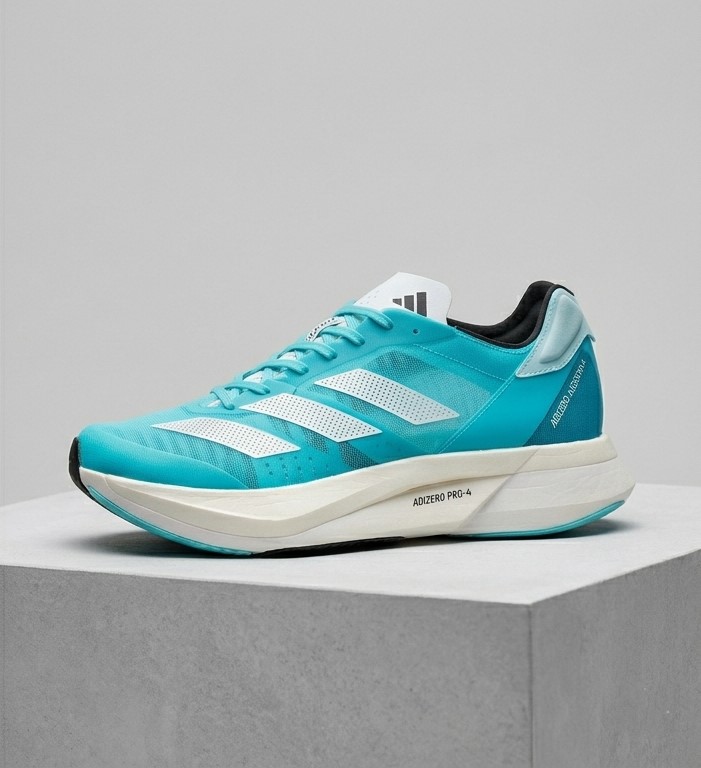
Top 2026 Models
- Adizero Adios Pro 4: A soft, elite racer that competes directly with the Vaporfly.
- Ultraboost 5 / Hyperboost Edge: The gold standard for “cloud-like” comfort and daily wear.
- Adizero Boston 13: The perfect “super trainer”, durable enough for daily runs but fast enough for speed work.
Pros: Superior outsole durability; more accommodating fit for wider feet; better value for money.
Weaknesses: Heavier on average than Nike; “Boost” technology can feel mushy to some runners.
Cushioning & Comfort Comparison
The “feel” under your foot is the biggest differentiator.
- Nike cushioning is responsive. It feels firm and springy. When you land, the shoe pushes back. This is ideal for runners who want to feel fast and connected to the ground.
- Adidas cushioning is plush. Their Dreamstrike+ and Boost foams offer a “sink-in” feeling that protects your joints during long, slow recovery runs.
Verdict: If you want to feel like a spring, buy Nike. If you want to feel like you’re on a cloud, buy Adidas.
Speed & Performance: Who Wins the Race?
When asking which is better Nike or Adidas for racing, Nike still holds a slight edge in “mechanical efficiency.” The Alphafly 3 is objectively one of the fastest shoes ever made.
However, Adidas closed the gap in 2026 with the Adizero Evo SL and Adios Pro 4. While Nike focuses on a rigid, aggressive rocker that forces you onto your toes, Adidas offers a more natural, rolling transition.
Real-World Difference: For elite athletes, Nike’s “pop” is hard to beat. For the average 4-hour marathoner, the Adidas Adios Pro 4 is often better because it stays comfortable for the full 26.2 miles without being too taxing on the calves.
Durability & Build Quality
This is where Adidas takes the trophy.
- Adidas uses Continental Rubber outsoles that easily last 500–600 miles. Their foams (especially Lightstrike Pro) maintain their bounce significantly longer than Nike’s equivalents.
- Nike outsoles are thinner to save weight. Many runners find the ZoomX foam begins to “bottom out” or lose its magic after 250–300 miles, especially in the Vaporfly series.
Conclusion: For a training shoe you use every day, Adidas offers a better Return on Investment (ROI).
Fit & Foot Shape
A great shoe is useless if it causes blisters.
- Nike: Traditionally narrow. If you have a high arch or a slender foot, Nike’s Flyknit and engineered uppers will feel like a second skin.
- Adidas: Traditionally true-to-size or wide. Adidas offers more volume in the midfoot and toe box, making them the better choice for runners whose feet swell during long distances.
Best Use Cases
1. For Beginners
Choose Adidas Supernova Rise. It is stable, forgiving, and won’t break the bank. It provides enough support for new muscles to adapt.
2. For Marathon Runners
Choose Nike Alphafly 3. If you want the fastest time possible, this is the industry standard. However, if your feet are wide, go with the Adidas Adios Pro 4.
3. For Daily Training
Choose Nike Pegasus 42. It is a “do-it-all” shoe that handles sprints and easy miles equally well.
4. For Speed Training
Choose Adidas Adizero Boston 13. It is built specifically to take the beating of interval training while providing a “super-shoe” feel.
Nike vs Adidas 2026 Comparison Table
| Feature | Nike | Adidas | Winner |
| Cushioning | Firm & Bouncy | Soft & Plush | Adidas (for comfort) |
| Speed | Maximum Energy | Smooth Transition | Nike (for racing) |
| Durability | 250 – 400 Miles | 450 – 600 Miles | Adidas |
| Fit | Narrow / Snug | True / Wide | Adidas (Universal) |
| Price | Premium | Moderate / Value | Adidas |
| Best Use | Racing / PRs | Training / Marathons | Tie |
Final Verdict: Which Should You Buy?
In 2026, the battle of Nike vs Adidas running shoes is no longer a “one-size-fits-all” answer.
- Buy Nike if you are a “performance-first” runner. You want the lightest materials, the snappiest foam, and you don’t mind replacing your shoes more often to maintain that elite feel.
- Buy Adidas if you are a “mileage-first” runner. You value comfort, need a shoe that fits a wider variety of foot shapes, and want a pair that still feels good after six months of heavy training.
Our Recommendation:
Start with the Adidas Adizero Boston 13 for your daily miles, it is the best value shoe on the market right now. If you have a big race coming up, treat yourself to the Nike Vaporfly for that extra 1-2% speed advantage.
Find more sports shoes comparisons in our Footwear Section. You can also find more running gear in our Outdoor Sports Section.
Frequently Asked Questions
Nike is better for elite racing and speedwork due to their ZoomX foam. Adidas is better for daily training and long-distance comfort due to their superior durability and softer cushioning.
Adidas is generally better for beginners. Models like the Supernova Rise offer more stability and a wider base, which helps prevent injury as you build running strength.
Adidas is significantly more durable. Their Continental Rubber outsoles and resilient foams typically last 100–150 miles longer than Nike’s performance models.
The Nike Alphafly 3 is the top-tier choice for speed. However, the Adidas Adizero Adios Pro 4 is often preferred by “middle-of-the-pack” marathoners for its superior comfort in the later stages of the race.
Yes. Nike shoes are generally narrower and can run a half-size small. Adidas shoes tend to have a wider toe box and fit more true-to-size.